
Blog
How Trade Routes Shaped Sri Lankan Spice Identity

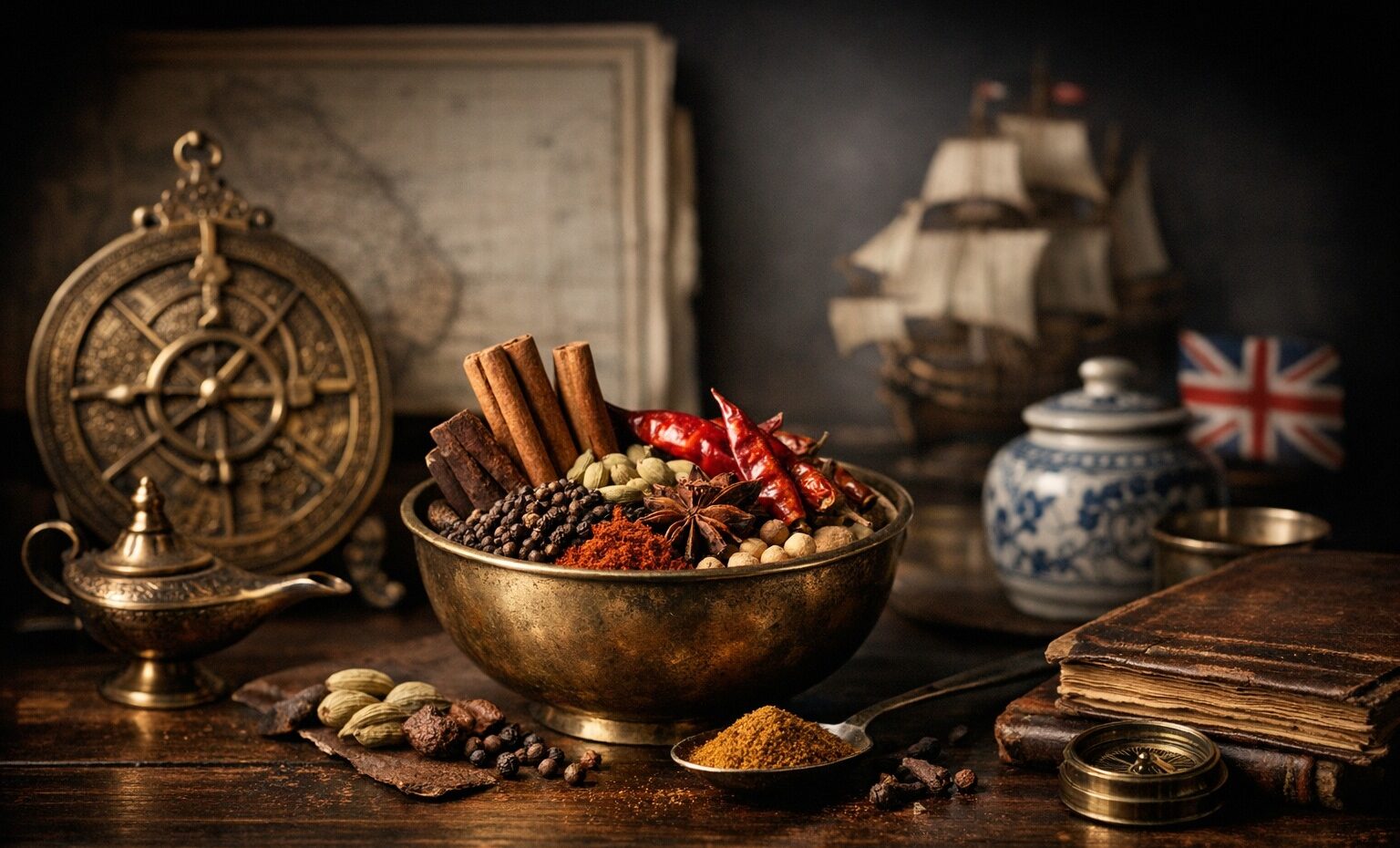
Arab, Portuguese, Dutch, and British influence on what stayed and what did not
Sri Lanka’s spice identity did not develop in isolation. It was shaped over centuries by trade routes that connected the island to the Middle East, Europe, and the wider Indian Ocean world.
Traders and colonisers brought new ingredients, techniques, and preferences. Yet not everything introduced remained. Some influences blended deeply into Sri Lankan food culture. Others faded quietly.
This guide explores how trade shaped Sri Lankan spice identity, and more importantly, how local taste determined what endured and what was rejected.
Sri Lanka as a Crossroads, Not a Destination
Long before European arrival, Sri Lanka was already a critical stop in Indian Ocean trade.
Arab traders reached the island for cinnamon, pepper, and gemstones. These exchanges were commercial, but also cultural. They did not replace local food traditions. Instead, they interacted with them.
Sri Lankan spice identity grew as a conversation, not a takeover.
Arab Influence and the Foundation of Aroma
Arab traders were among the earliest external influences on Sri Lankan spice trade.
They valued:
- Warm aromatic spices
- Balanced combinations
- Fragrance over heat
Certain preferences aligned well with existing Sri Lankan practices, which already emphasised aroma and balance. This compatibility helped some ideas settle naturally.
However, Sri Lankan food did not adopt heavy sweetness or rich fat usage common elsewhere. Local coconut‑based cooking retained dominance. Only compatible elements survived.
Portuguese Arrival and the Introduction of Chilli
The Portuguese period brought one of the most significant changes. Chilli, previously unknown in the region, entered Sri Lankan cooking through colonial trade.
What is important is how chilli was adapted.
Rather than overpowering flavour, Sri Lankan cuisine absorbed chilli carefully. Heat became a component, not a ruler. Chilli did not erase existing spice knowledge. It took a supporting role alongside established aromatic systems.
This selective adoption shaped Sri Lankan heat levels, which remain firm but balanced.
Dutch Influence and the Quiet Role of Technique
Dutch influence left fewer obvious flavour fingerprints, but it affected structure and preservation.
The Dutch encouraged:
- More organised trade systems
- Standardisation of spice handling
- Documentation of ingredients and processes
These systems influenced how spices were stored, transported, and valued, even if they did not drastically alter flavour preferences.
Local kitchens continued to prioritise home use over export taste.
British Rule and the Birth of “Curry” as a Label
British involvement changed how Sri Lankan food was described to the world.
The British simplified diverse regional dishes under broad terms like “curry”. In doing so, they popularised Sri Lankan flavours internationally, but also flattened their complexity.
While export versions became simplified, home cooking resisted this reduction. Traditional spice logic remained intact inside households, even as external narratives changed.
This split between representation and reality still exists today.
Why Some Introduced Spices Stayed
Spices or methods stayed only if they met certain conditions:
- They aligned with local flavour balance
- They worked with coconut‑based cooking
- They fitted everyday home use
- They did not overpower existing ingredients
Compatibility mattered more than novelty.
This explains why certain foreign influences became invisible, while others never embedded fully.
Why Others Did Not Last
Some ingredients did not match Sri Lankan taste preferences or climate. Others required preparation methods that did not suit daily cooking routines.
Instead of forcing adaptation, Sri Lankan kitchens quietly let those ideas go.
This natural filtering created a spice culture that feels intentional rather than inherited.
Trade Shaped Access, Not Authority
Trade routes expanded access to spices, but they did not dictate identity.
Sri Lankan spice culture remained rooted in:
- Balance over dominance
- Aroma over heaviness
- Familiarity over spectacle
Global influence was always evaluated locally.
The Resulting Sri Lankan Spice Identity
What emerged is not a borrowed cuisine, but a refined one.
Sri Lankan masalas and spice practices reflect:
- Historical awareness
- Selective adoption
- Cultural confidence
Trade brought opportunity. Local judgement decided permanence.
Why This History Still Matters Today
Modern spice blends often chase complexity through excess. Sri Lankan spice identity reminds us that history favoured restraint.
Understanding trade influence helps explain:
- Why Sri Lankan blends feel precise
- Why fewer ingredients are trusted
- Why balance remains central
This is not nostalgia. It is continuity.
Final Thought
Sri Lanka’s position in global trade exposed it to countless influences. Yet its spice identity was not diluted.
What stayed earned its place. What did not was allowed to leave.
That quiet confidence is still present in Sri Lankan masalas today. Trade shaped the journey, but local taste shaped the destination.