
Blog
What Makes a Spice Blend Feel “Heavy” or “Light”?

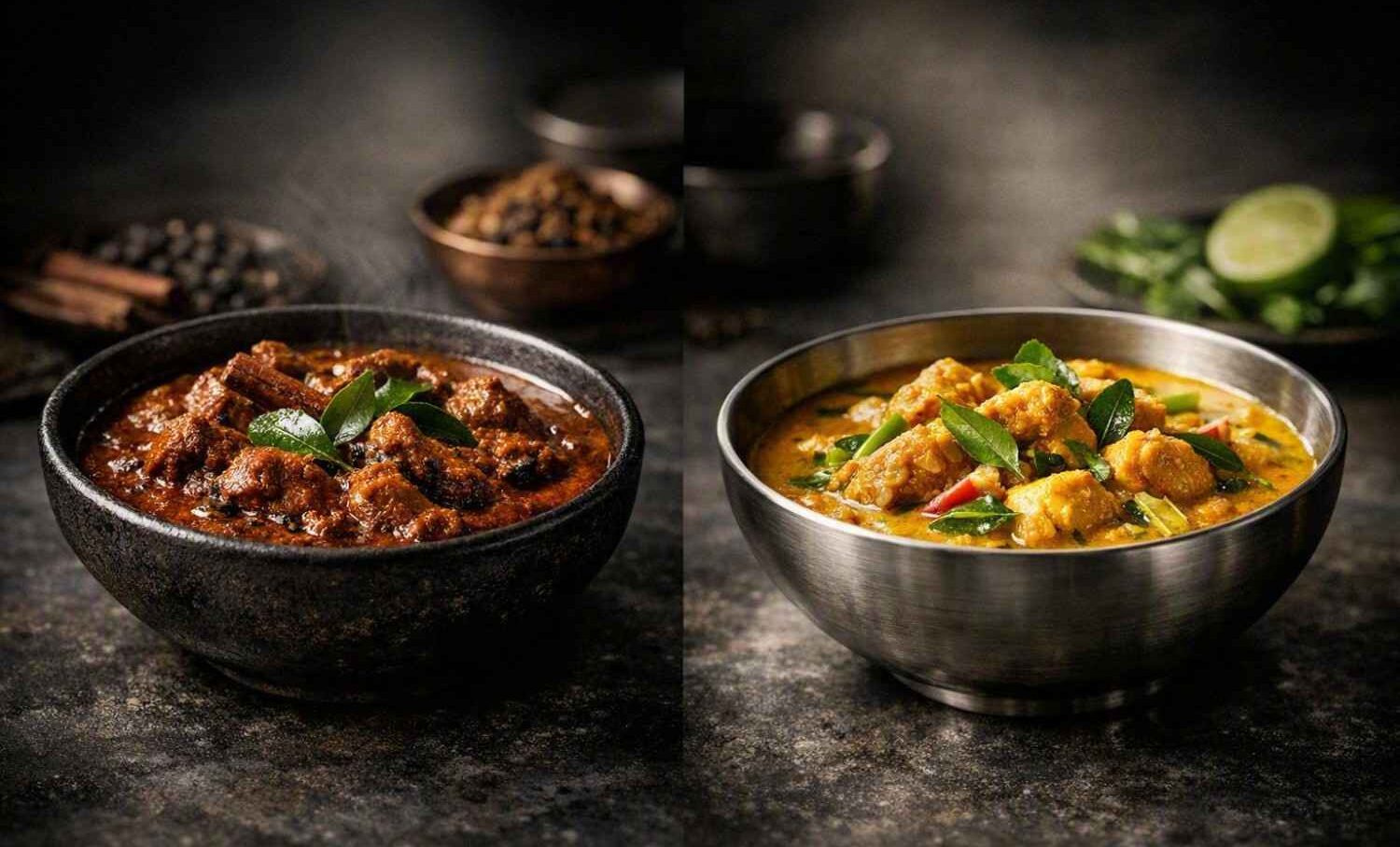
The Curry That Felt Bigger Than It Looked
Have you ever eaten two curries that looked almost identical but felt completely different?
One feels rich, deep, and filling. After a few spoonfuls, the flavour seems to sit comfortably on the palate and linger long after the meal.
The other feels bright, fresh, and easy to eat. The flavours arrive quickly, then disappear gracefully, leaving room for the next bite.
Most people assume this difference comes from the amount of spice used.
Not necessarily.
Often, the real difference is something spice blenders quietly call flavour weight.
Just like some fabrics feel heavier than others despite looking similar, spice blends can create very different sensory experiences even when they contain many of the same ingredients.
What Makes a Spice Blend Feel Heavy or Light?
A spice blend feels “heavy” or “light” because of flavour weight, aroma persistence, spice composition, roasting levels, and how long flavours remain on the palate. Heavy blends create lingering, rich sensations, while light blends feel brighter, cleaner, and fade more quickly. Neither is better. They simply create different eating experiences.
🇱🇰 Sri Lankan Kitchen Real Taste
Traditional Sri Lankan cooks rarely talked about flavour weight. Instead, they would simply say a curry felt “rich,” “soft,” “strong,” or “easy to eat.” Behind those simple descriptions was a deep understanding of how spices behave together and how they make people feel during a meal.
What Makes a Spice Blend Feel Heavy?
A heavy spice blend is not necessarily spicy.
It is a blend whose flavours stay with you.
Roasted coriander, cumin, fennel, black pepper, cloves, and cardamom often contribute depth that lingers on the palate. Combined with coconut milk, slow cooking, or roasted curry powders, these spices create a sense of richness.
The flavours arrive slowly.
They spread gradually.
Most importantly, they remain long after the bite is finished.
This lingering quality is what many people describe as heaviness.
It is less about intensity and more about presence.
What Makes a Spice Blend Feel Light?
A light spice blend behaves differently.
Instead of building slowly, the flavours appear quickly and cleanly.
Fresh curry leaves, lemongrass, green chillies, fresh herbs, and lightly roasted spices often create this experience.
The flavours feel energetic rather than dense.
They brighten the dish without dominating it.
A light blend encourages another bite because it leaves very little flavour fatigue behind.
This is one reason many tropical cuisines naturally favour lighter spice profiles during hot weather.
What Makes a Spice Blend Feel Heavy or Light Through Roasting?
Roasting changes flavour weight dramatically.
Lightly roasted spices tend to retain brighter, fresher notes.
Deep roasting creates richer, darker, more lingering flavours.
Think of a traditional roasted Sri Lankan chicken curry compared to a lightly prepared fish curry.
Both may contain coriander, cumin, and fennel.
Yet one feels heavier because roasting transformed how those spices behave.
The ingredients may be similar.
The flavour experience is not.
What Makes a Spice Blend Feel Heavy or Light Through Lingering Notes?
Not all flavours leave at the same speed.
Some spices fade quickly.
Others stay behind.
Black pepper, cloves, cinnamon, and roasted spices often create lingering notes that continue long after swallowing.
Fresh herbs and lighter aromatics disappear more rapidly.
A blend that leaves lasting impressions often feels heavier.
A blend that exits cleanly often feels lighter.
This lingering effect plays a major role in how people judge the character of a curry.
What Makes a Spice Blend Feel Heavy or Light Through Palate Fatigue?
Palate fatigue occurs when flavours become overwhelming after repeated bites.
A highly roasted, intensely spiced curry may taste incredible at first. However, after several mouthfuls, the palate can become saturated.
The flavours begin competing for attention.
Everything starts feeling similar.
This is palate fatigue.
Well-balanced spice blends avoid this problem by creating contrast and rhythm.
They know when to speak loudly and when to step back.
This balance often separates a good spice blend from a memorable one.
Why Heavy Does Not Mean Better
One of the biggest misconceptions in cooking is that stronger always means better.
Some dishes need depth and richness.
Others need freshness and simplicity.
A heavily roasted beef curry may benefit from bold flavour weight.
A delicate fish curry may shine with lighter spices.
The goal is not maximum impact.
The goal is suitability.
The best spice blend is the one that fits the dish.
Practical Cooking Tips
✅ Match spice weight to the ingredient.
✅ Use roasted spices when seeking depth and richness.
✅ Use fresh herbs for lighter flavour profiles.
✅ Avoid adding too many heavy spices to one dish.
✅ Taste throughout cooking rather than judging only at the end.
Myth vs Fact
Myth: Heavy spice blends are always more flavourful.
Fact: Light blends can be equally complex and enjoyable.
Myth: More spices create better flavour.
Fact: Balance matters more than quantity.
Myth: Lingering flavour means excessive spice.
Fact: Lingering notes often come from blend structure rather than strength.
Myth: Light flavours are boring.
Fact: Many of the most memorable dishes rely on subtle spice combinations.
Final Thoughts
When asking what makes a spice blend feel heavy or light, the answer goes beyond ingredients alone.
Roasting levels, lingering notes, flavour weight, and palate fatigue all influence how a spice blend is experienced.
Some blends arrive gently and leave gracefully.
Others build slowly and stay with you long after the meal ends.
Neither approach is right or wrong.
Like music, cooking needs both quiet moments and powerful ones.
The art of spice blending lies in knowing which feeling belongs to which dish.
Frequently Asked Questions
What is flavour weight in a spice blend?
Flavour weight describes how rich, dense, or lingering a spice blend feels on the palate during and after eating.
Why do some curries feel heavier than others?
Roasted spices, rich ingredients, and lingering flavour compounds often create a heavier sensory experience.
What causes palate fatigue?
Palate fatigue occurs when strong or repetitive flavours overwhelm the senses, making food feel less interesting over time.
Are light spice blends less flavourful?
No. Light spice blends can deliver complexity and freshness without creating heaviness.
Do roasting levels affect flavour weight?
Yes. Deeper roasting generally creates richer and more lingering flavours that increase perceived flavour weight.
Key Takeaways
✅ Flavour weight affects whether a spice blend feels heavy or light.
✅ Roasting levels strongly influence flavour weight.
✅ Lingering notes create depth and richness.
✅ Palate fatigue can occur when flavours become overwhelming.
✅ The best spice blend matches the ingredient and cooking style.
What makes a spice blend feel heavy or light depends on flavour weight, roasting levels, lingering notes, and palate fatigue. Heavy blends create rich, lasting impressions, while lighter blends feel fresh and clean. Understanding this balance helps create curries that are more enjoyable and better matched to their ingredients.