
Blog
Sri Lankan Masala vs Garam Masala Differences Explained

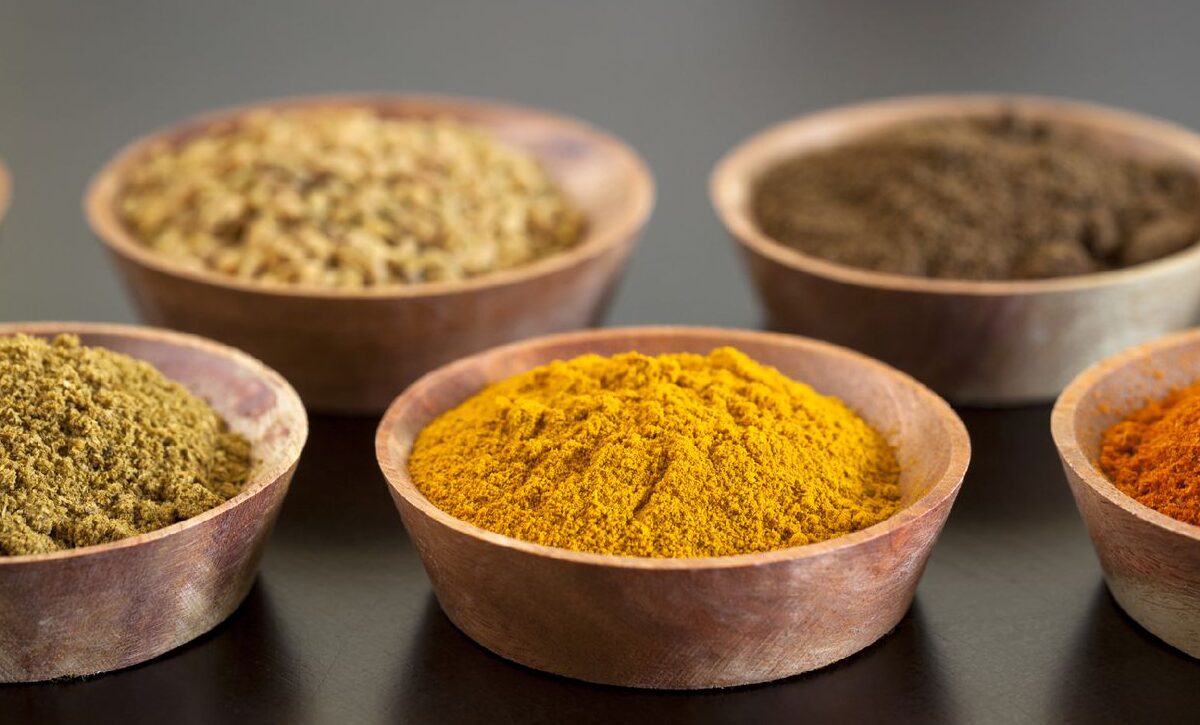
When people outside South Asia hear the word masala, they often think it’s just one spice mix. But for those of us who grew up inhaling the aromas of a real kitchen whether it’s a humble Sri Lankan home or a bustling Indian household masala is a language, not a single word.
Among the most confused spice blends are Sri Lankan Masala and Indian Garam Masala. While both are deeply rooted in tradition and flavor, they are not the same in taste, philosophy, or culinary purpose.
Let’s break it down with clarity, culture, and a little Sri Lankan soul.
What Is Indian Garam Masala?
Garam Masala literally means “warming spices” in Hindi and Urdu. In Indian cooking, it is a finishing spice blend, added towards the end of cooking or sprinkled on top to lift aroma rather than dominate flavor.
Key Characteristics of Garam Masala
- Aromatic, warm, and fragrance
- Mild to moderate heat (often no chilies)
- Added at the final stage of cooking
- Regional variations across India
Common Ingredients
- Cinnamon
- Cloves
- Cardamom
- Cumin
- Coriander seeds
- Bay leaf
- Nutmeg or mace (in some regions)
How It’s Used
Garam masala is typical:
- Sprinkled at the end of curries
- Added to dhals, biryanis, or vegetable dishes
- Used to enhance aroma rather than color or heat
Think of garam masala as perfume, subtle, elegant, and never overpowering.
What Is Sri Lankan Masala (Curry Powder)?
Sri Lankan Masala is not a finishing touch. It is the foundation.
In Sri Lankan cooking, masala is bold, roasted, earthy, and deeply layered. It doesn’t whisper it speaks clearly from the very first bite.
Key Characteristics of Sri Lankan Masala
- Deep, roasted flavor
- Higher spice intensity
- Often includes dried red chilies
- Used early in cooking
- Adds color, body, and heat
Common Ingredients
- Coriander seeds
- Cumin
- Fennel
- Black pepper
- Dried red chilies
- Curry leaves
- Cinnamon
- Cloves
- Cardamom
- Fenugreek (in some blends)
Roasted Masala – The Sri Lankan Signature
Many Sri Lankan masalas are dry roasted before grinding, creating:
- Smoky depth
- Darker color
- Stronger umami-like richness
This is especially common in:
- Meat curries
- Seafood curries
- Traditional village-style dishes
Sri Lankan masala is the heart of the dish, not the finishing note.
Sri Lankan Masala vs Indian Garam Masala, Side by Side Comparison
| Feature | Sri Lankan Masala | Indian Garam Masala |
| Flavor Profile | Bold, roasted, spicy | Warm, aromatic, mild |
| Heat Level | Medium to high | Low to medium |
| Chilies | Commonly included | Usually absent |
| Roasting | Often roasted | Usually unroasted |
| When added | Early in cooking | End of cooking |
| Purpose | Builds body & depth | Enhances aroma |
| Cultural Role | Main flavor base | Final aromatic layer |
Why Confusion?
Globally, the word masala is often marketed as a generic “spice mix.” But in reality:
- Indian cuisine treats garam masala as a finishing spice.
- Sri Lankan cuisine treats masala as the soul of the curry.
This misunderstanding often leads to:
- Flat tasting “Sri Lankan curries” made with garam masala
- Overpowering Indian dishes when Sri Lankan roasted masala is misused
Knowing the difference is the key to authentic cooking.
Which One Should You Use?
Ask yourself one simple question:
If you want:
- A deep, slow-cooked curry with bold character → Use Sri Lankan Masala (Curry Powder)
- A fragrant, balanced dish with aromatic lift → Use Garam Masala
Many experienced cooks use both, but at different stages:
- Sri Lankan masala early for body
- Garam masala at the end for aroma
A Note from the Sri Lankan Kitchen
In Sri Lanka, we don’t measure masala just by spoons we measure it by memory.
The sound of spices roasting.
The smell that fills the house before lunch.
The color that deepens slowly in the pot.
Sri Lankan masala carries generations of instinct, patience, and fire. Garam masala carries elegance, balance, and warmth. Neither is it better that they simply speak different culinary languages.
Final Thoughts
Understanding the difference between Sri Lankan Masala and Indian Garam Masala isn’t just good cooking knowledge it’s cultural respect.
Use each spice blend the way it was meant to be used, and your food will tell the truth of where it comes from.
If you’re cooking Sri Lankan food, let the masala lead.
If you’re finishing an Indian dish, let garam masala whisper.
That’s where real flavor lives.