
Blog
Sri Lankan Beginner Masala (Curry Powder) Recipes for Beginners

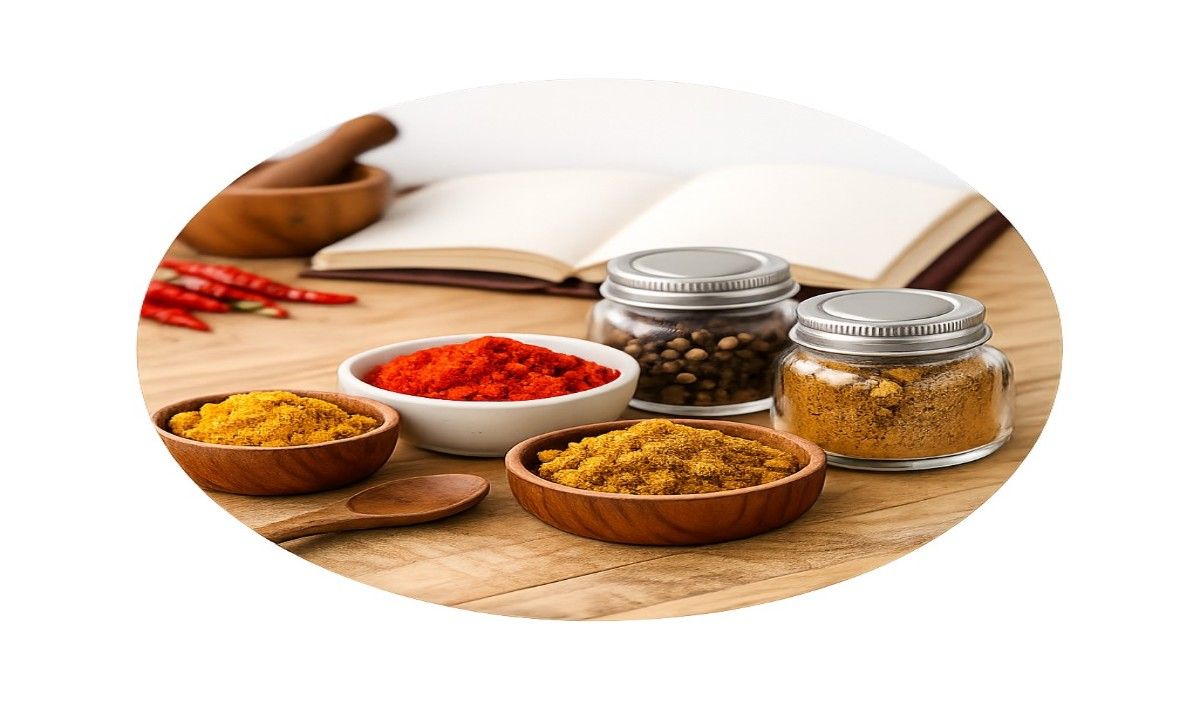
If you are new to Sri Lankan cooking, curry powder can feel a bit confusing.
Some blends look dark. Some smell very strong. Some recipes talk about roasting, grinding, and mixing, all before you even start cooking.
Here is the simple truth.
Sri Lankan masala is not meant to be complicated. It is meant to help everyday cooking taste good without stress.
This guide is for beginners who want to understand Sri Lankan curry powder and start cooking confidently, one simple dish at a time.
First, a quick idea to clear confusion
Sri Lankan curry powder is not one fixed recipe.
Every household adjusts it slightly. Some make it lighter. Some roast it darker. Some keep heat very low, especially for children and daily meals.
So if you are starting out, the goal is not perfection. The goal is balance.
A good beginner curry powder is mild and flexible
For beginners, it is best to start with a mild, everyday curry powder.
This type of masala:
- Focuses on aroma, not chilli heat
- Works for vegetables, eggs, lentils, and chicken
- Does not overpower the dish
In Sri Lankan homes, this is often the curry powder used for daily meals.
Basic beginner Sri Lankan curry powder idea
You do not need many spices to begin.
A simple beginner blend usually depends on:
- Coriander seeds for body
- Cumin for warmth
- Fennel for gentle sweetness
- A small piece of cinnamon for aroma
This is enough to make food taste Sri Lankan without being heavy or sharp.
For beginners, roasting is optional. Grinding fresh, good‑quality spices already makes a difference.
Beginner Vegetable Curry
(Simple, everyday Sri Lankan style)
This is where most Sri Lankan kitchens begin. Vegetable curry teaches you how curry powder behaves without stress.
What you need:
Mixed vegetables (pumpkin, carrot, beans, potatoes)
Onion and garlic
A few curry leaves
Sri Lankan mild Curry Powder Add To Cart
Coconut milk
Salt
How to make:
Start by gently sauteing chopped onion, garlic, and curry leaves in a pan until soft and fragrant. Add the vegetables and stir for a minute so they coat with the onion base. Sprinkle in a small amount of curry powder and pinch of salt. Add coconut milk and let it simmer gently until the vegetables are cooked.
Beginner tip:
Keep the heat low. If it smells warm and comforting, you are doing it right.
Easy Sri Lankan Egg Curry
(Perfect for learning spice balance)
Egg curry is very forgiving and ideal for beginners.
What you need:
Boiled eggs
Onion and garlic
Curry leaves
Sri Lankan Curry Powder Add To Cart
Turmeric PowderAdd To Cart
Pepper CrushedAdd To Cart(optional)
Light coconut milk
Salt
How to make:
Saute onion, garlic, and curry leaves until soft. Add a little curry powder and a pinch of turmeric. Pour in coconut milk and let it simmer. Gently add the boiled eggs and cook on low heat so the eggs absorb the flavour. Spark a Pepper Crushed before surving.
Beginner tip:
Do not rush this curry. Slow simmering makes the masala softer and smoother.
Mild Chicken Curry for Beginners
(Warm, not spicy)
Chicken is often the first meat beginners try in Sri Lankan cooking.
What you need:
Chicken pieces
Onion, garlic, ginger
Curry leaves
Sri Lankan Curry Powder Add To Cart
Chilli Powder Add To Cart
water
Salt
How to make:
Cook onion, garlic, ginger, and curry leaves until soft. Add chicken and stir gently. Sprinkle a small amount of curry powder along with pinch of Chilli powder and salt. Add water and cook on medium low heat until the chicken is tender and the curry thickens naturally.
Beginner tip:
Start light with spice. You can always add more next time.
Common beginner mistake to avoid
Most beginners add curry powder into very hot oil.
This burns the spice quickly and makes food taste bitter.
In Sri Lankan cooking, curry powder is usually added after onions soften or mixed with a little liquid first.
Gentle heat is the secret.
How to know you are doing it right
A beginner Sri Lankan curry should:
- Smell warm, not sharp
- Taste balanced, not spicy
- Feel comforting, not heavy
If the dish tastes flat, improve freshness and cooking time before increasing spice quantity.
Why Rasa Padhama suits beginners well
At Rasa Padhama, masalas are blended the way home kitchens use them.
They are:
- Balanced, not aggressive
- Suitable for everyday cooking
- Easy to control for new cooks
You do not need large quantities or complex techniques. Just cook calmly and taste as you go.
A gentle reminder for beginners
Sri Lankan food is not about showing off spice.
It is about letting flavour build slowly.
Start light. Cook gently. Trust your nose more than the recipe.
The rest will come naturally.


