
Blog
Why the Same Masala Tastes Different in Different Homes

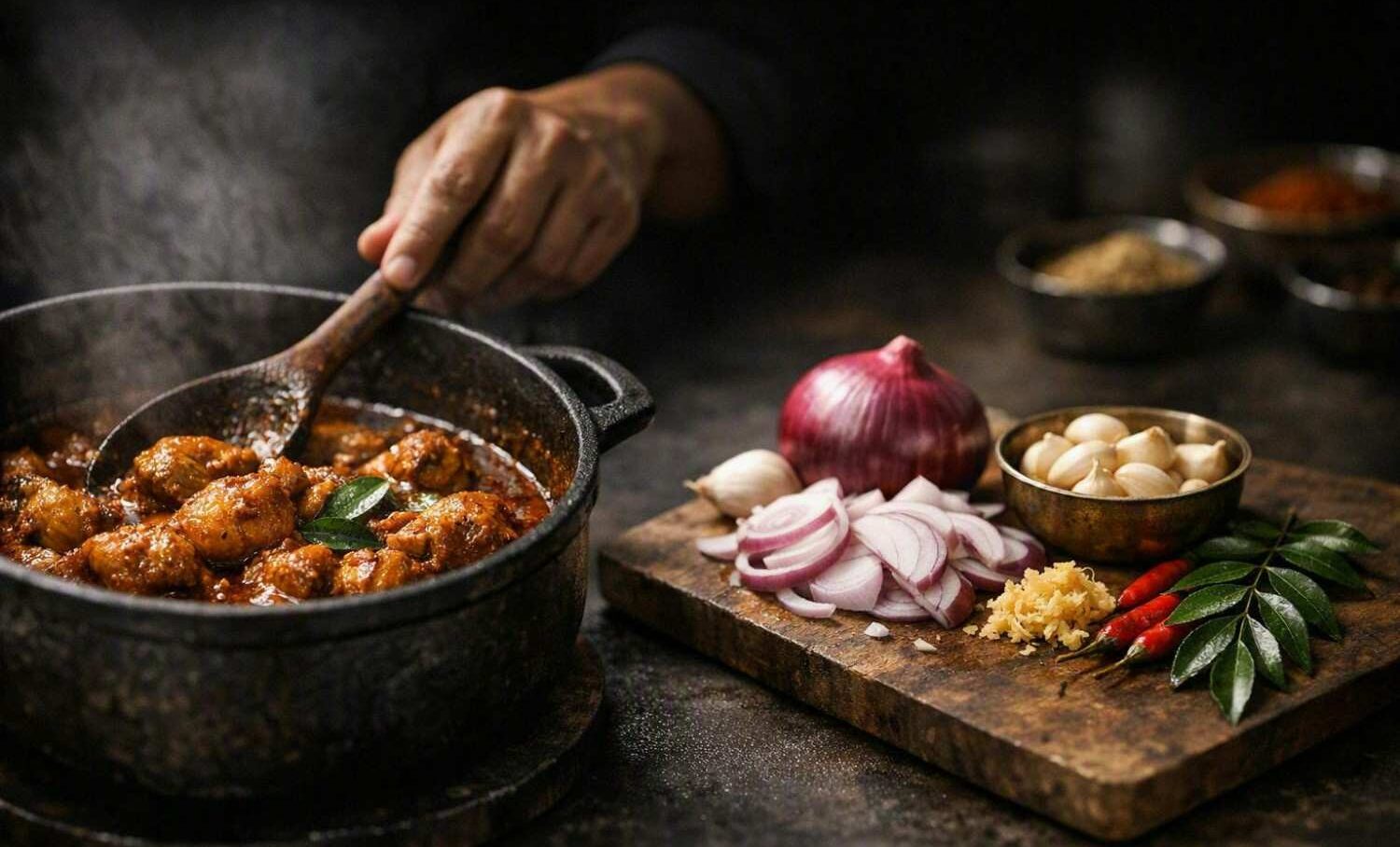
Have you ever noticed that the same masala can create completely different curries in different homes?
At a family gathering, one aunt’s chicken curry disappears from the table within minutes. Another aunt uses the exact same masala brand, the same chicken, and almost the same recipe, yet the taste feels entirely different.
Many people assume the secret is a hidden ingredient.
Most of the time, it is not.
The truth is that understanding why the same masala tastes different in different homes reveals something beautiful about cooking. A masala blend may provide the spices, but every kitchen gives those spices a unique personality.
The cook, the ingredients, the cooking method, and even family traditions all play a role in creating flavour.
Why the Same Masala Tastes Different in Different Homes?
Why the same masala tastes different in different homes comes down to cooking techniques, ingredient quality, roasting methods, cooking time, heat control, and personal preferences. Even when the exact same masala blend is used, every kitchen creates its own flavour profile through the way the ingredients are prepared and cooked.
🇱🇰 Sri Lankan Kitchen Real Taste
In a traditional Sri Lankan home, nobody judges a curry by the masala packet alone. The real magic comes from the hands that cook it. Two homes may use the same masala blend, yet one curry becomes rich and roasted while another remains light and fragrant. The spices are the same, but the story behind them is different.
Why the Same Masala Tastes Different in Different Homes Starts with the Cook
Many people believe flavour comes from ingredients alone.
In reality, the cook is often the most important ingredient.
Some cooks prefer slow cooking while others work quickly. Some roast their onions until deep golden brown. Others keep them lightly cooked for a fresher taste.
These small differences create large changes in flavour.
That is one of the biggest reasons why the same masala tastes different in different homes.
Professional chefs often say that recipes can be copied, but cooking styles cannot. The same principle applies in home kitchens across Sri Lanka.
Why the Same Masala Tastes Different in Different Homes Depends on Onion and Garlic Preparation
Before a masala is added to the pot, onions, garlic, and ginger begin building the flavour foundation.
This stage often determines how the finished curry will taste.
For example:
- Lightly sautéed onions create a fresh flavour.
- Deep golden onions create sweetness.
- Slightly caramelized onions add richness.
- Roasted garlic develops deeper aromas.
Even though the same masala is eventually added, the flavour has already taken a different direction.
This is a major reason why the same masala tastes different in different homes.
Why the Same Masala Tastes Different in Different Homes Depends on Heat Control
Heat changes spices.
When spices cook slowly over moderate heat, they release oils and aromas gradually. The flavours become balanced and rounded.
On the other hand, high heat creates stronger roasted notes and can make certain spices more dominant.
Many experienced Sri Lankan cooks adjust the heat throughout the cooking process. They know when to reduce the flame and when to increase it.
This careful heat management is another reason why the same masala tastes different in different homes.
Why the Same Masala Tastes Different in Different Homes Depends on Fresh Ingredients
Not all ingredients are equal.
Fresh curry leaves release more aroma than older ones.
Fresh garlic tastes sharper.
Freshly grated coconut creates a richer flavour than packaged alternatives.
Even the sweetness of onions and the acidity of tomatoes can vary from one kitchen to another.
As a result, two cooks using the same masala may still achieve very different results because the supporting ingredients are different.
Fresh ingredients often make a bigger difference than people realize.
Why the Same Masala Tastes Different in Different Homes Depends on Cooking Time
Time changes flavour.
A curry that simmers gently for an hour will taste different from one cooked in thirty minutes.
As the curry cooks:
- Spices dissolve into the sauce.
- Aromas develop.
- Ingredients blend together.
- Natural sweetness emerges.
This deeper integration of flavours creates a richer and more balanced dish.
Many Sri Lankan families even believe that certain curries taste better the next day.
That belief is not just tradition. There is real science behind it.
Allowing spices more time to blend is another important reason why the same masala tastes different in different homes.
Why the Same Masala Tastes Different in Different Homes Because of Family Traditions
Every family develops unique cooking habits over time.
One household may add extra curry leaves.
Another may include black pepper.
Some families prefer roasted curry powder.
Others love extra coconut milk.
These small adjustments are often passed from one generation to the next.
Eventually, they become part of the family’s food identity.
This explains why one chicken curry reminds you of your grandmother while another reminds you of your childhood neighbour.
The masala may be the same, but tradition makes the flavour unique.
Why the Same Masala Tastes Different in Different Homes and Food Memories
Food is more than ingredients.
Food is memory.
A curry connected to happy family moments often tastes better because emotions influence how we experience flavour.
The smell of a familiar curry can immediately transport someone back to childhood.
Scientists have long known that smell and memory are closely connected.
This emotional connection partly explains why the same masala tastes different in different homes.
Sometimes the difference is not just in the recipe. It is also in the memories attached to it.
Practical Cooking Tips
✅ Roast onions until golden brown for deeper flavour.
✅ Use fresh curry leaves whenever possible.
✅ Avoid rushing the cooking process.
✅ Allow curries time to simmer.
✅ Taste frequently and adjust seasoning.
✅ Let certain curries rest before serving.
✅ Store leftover curry properly and enjoy it the next day for even richer flavour.
Myth vs Fact
Myth: Using the same masala guarantees the same taste.
Fact: Cooking methods, timing, and ingredients all influence flavour.
Myth: The masala is the most important ingredient.
Fact: Good cooking technique is equally important.
Myth: Professional cooks use secret ingredients.
Fact: Most great cooks simply master basic cooking skills.
Myth: Every recipe tastes identical when followed exactly.
Fact: Every kitchen environment creates slightly different results.
Why the Same Masala Tastes Different in Different Homes: The Real Answer
So, why the same masala tastes different in different homes?
The answer is simple but powerful.
Masala provides flavour potential, but the cook unlocks that potential.
Cooking methods, ingredient freshness, heat control, simmering time, family traditions, and personal preferences all influence the final dish.
That is why two families can use the same masala packet and create two completely different curries.
And honestly, that is one of the most beautiful things about Sri Lankan cooking.
Recipes can be shared.
Masalas can be copied.
But every kitchen still leaves its own fingerprint on the food.
Final Thoughts
If you have ever wondered why the same masala tastes different in different homes, remember that a curry is more than a list of ingredients.
The flavour comes from experience, patience, family traditions, cooking techniques, and love.
The same masala may enter a hundred kitchens, but it will never produce a hundred identical curries.
That is not a flaw.
That is the magic of home cooking.
Frequently Asked Questions
Why does the same masala taste different in different homes?
Different cooking techniques, ingredient quality, cooking times, and personal preferences all influence the final flavour, even when the same masala is used.
Does the quality of ingredients affect how the same masala tastes?
Yes. Fresh onions, garlic, ginger, curry leaves, coconut milk, and proteins can dramatically affect the final taste of a curry.
Can cooking techniques change the flavour of the same masala?
Absolutely. Roasting, sautéing, simmering time, and heat control all affect how the spices develop during cooking.
Why does my mother’s curry taste different from mine using the same masala?
Years of cooking experience, family traditions, ingredient choices, and small adjustments often create a unique flavour that is difficult to replicate exactly.
Does letting curry rest improve the taste of a masala?
Yes. Resting allows the spices and ingredients to blend more completely, often creating a deeper and more balanced flavour.
Key Takeaways
✅ The same masala can taste different because cooking techniques vary between homes.
✅ Onion, garlic, and ginger preparation significantly affect flavour.
✅ Heat control changes how spices develop during cooking.
✅ Fresh ingredients create noticeable differences in taste.
✅ Family traditions and food memories help create every home’s unique curry flavour.