
Blog
Sri Lankan Spices List: Types and Uses Explained

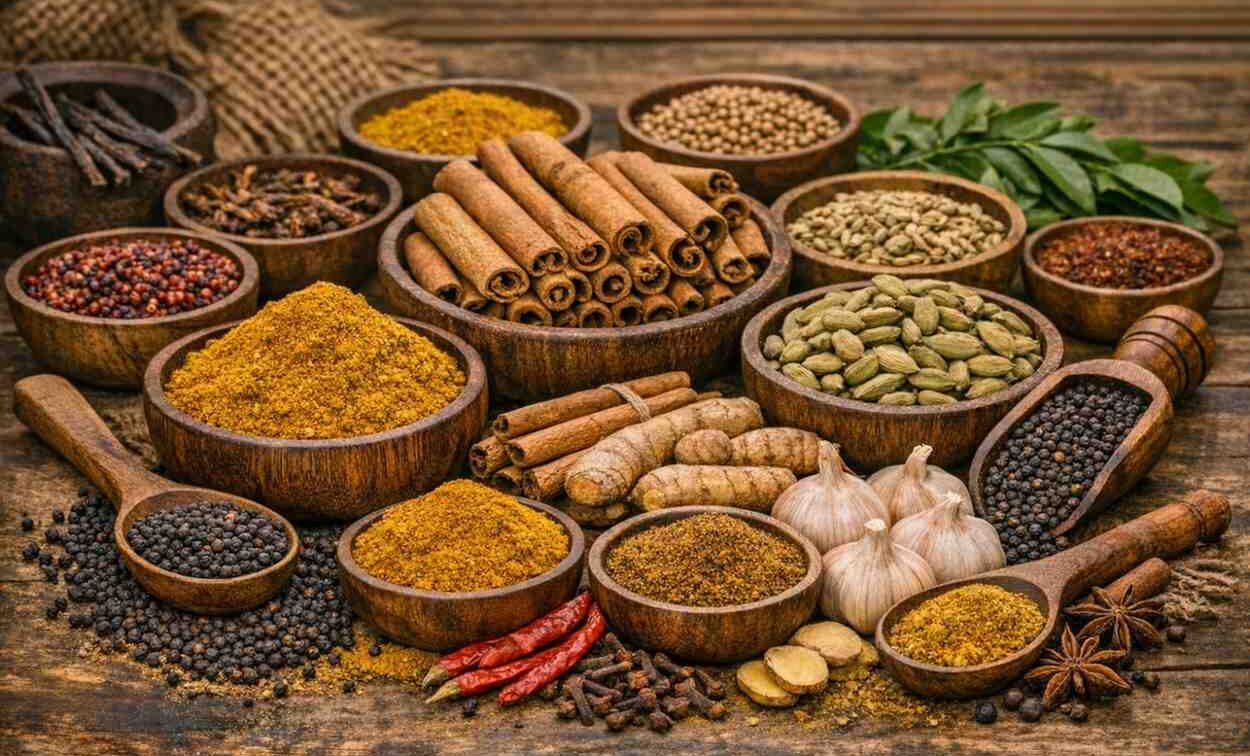
Sri Lankan spices, often known globally as Ceylon spices, have been valued for centuries for their aroma, flavour, and natural health benefits. Although Sri Lanka is a small island nation, it has played a major role in the global spice trade for thousands of years.
Today, Sri Lanka continues to be recognised as a reliable source of high-quality, pure, and naturally grown spices, especially Ceylon cinnamon, which is considered the finest in the world.
This guide covers the main spices grown in Sri Lanka, their characteristics, and how they are commonly used in cooking and everyday life.
Why Sri Lankan Spices Are Known Worldwide
Sri Lanka’s reputation for spices comes from a combination of natural and traditional factors:
- Tropical climate with steady warmth and rainfall
- Fertile soil, especially in lowlands and hill country regions
- Slow cultivation methods, which help develop stronger flavour and aroma
- High essential oil content, giving spices their intensity and medicinal value
Most spices in Sri Lanka are still grown on small-scale farms, often using traditional techniques with minimal chemical use. This helps maintain purity, safety, and authenticity.
Complete List of Common Sri Lankan Spices
Sri Lanka produces a wide range of spices and herbs. The most commonly known include:
Ceylon cinnamon, black pepper, cloves, cardamom, nutmeg, mace, turmeric, ginger, coriander seeds, cumin seeds, fennel seeds, vanilla, curry leaves, mustard seeds, citronella, and garlic.
Among these, a few are especially important in both local and global markets.
Key Sri Lankan Spices and Their Uses
Ceylon Cinnamon
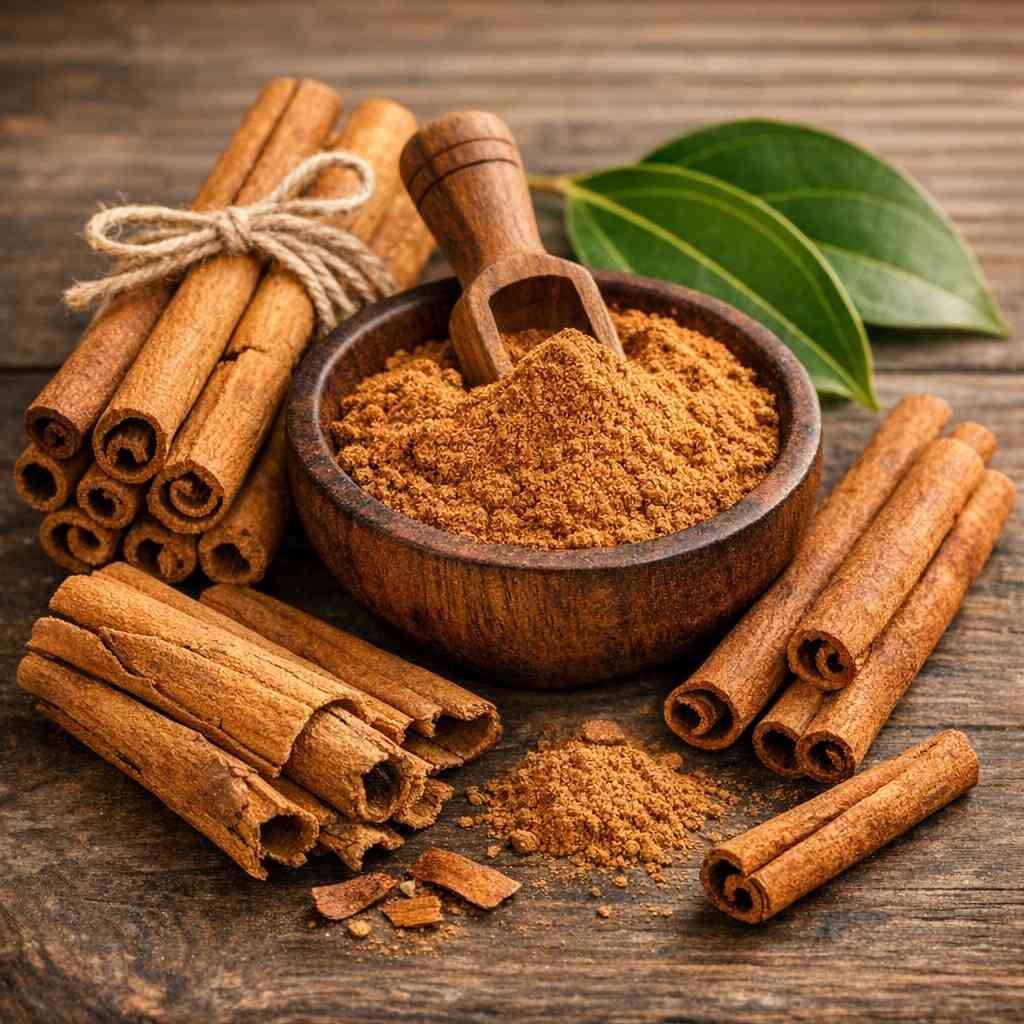
Ceylon cinnamon is the most True Cinnamon and well known spice from Sri Lanka. It has a light colour, soft texture, and mild sweet flavour, making it very different from cassia cinnamon.
Common uses:
- Tea and herbal drinks
- Baking and desserts
- Smoothies and wellness drinks
Black Pepper
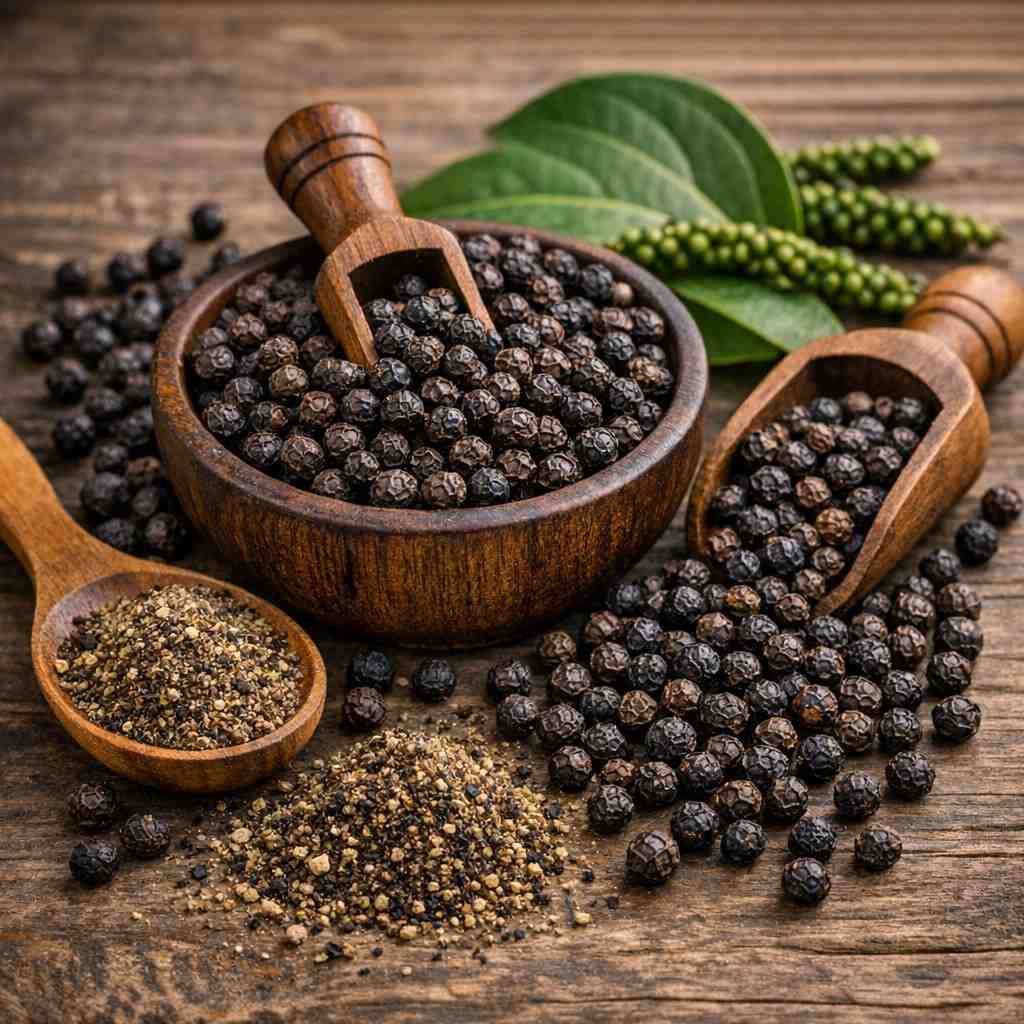
Often called the “King of Spices,” Sri Lankan black pepper is known for its strong heat and aroma.
Common uses:
- Curries and soups
- Meat and vegetable seasoning
- Traditional remedies
Cloves
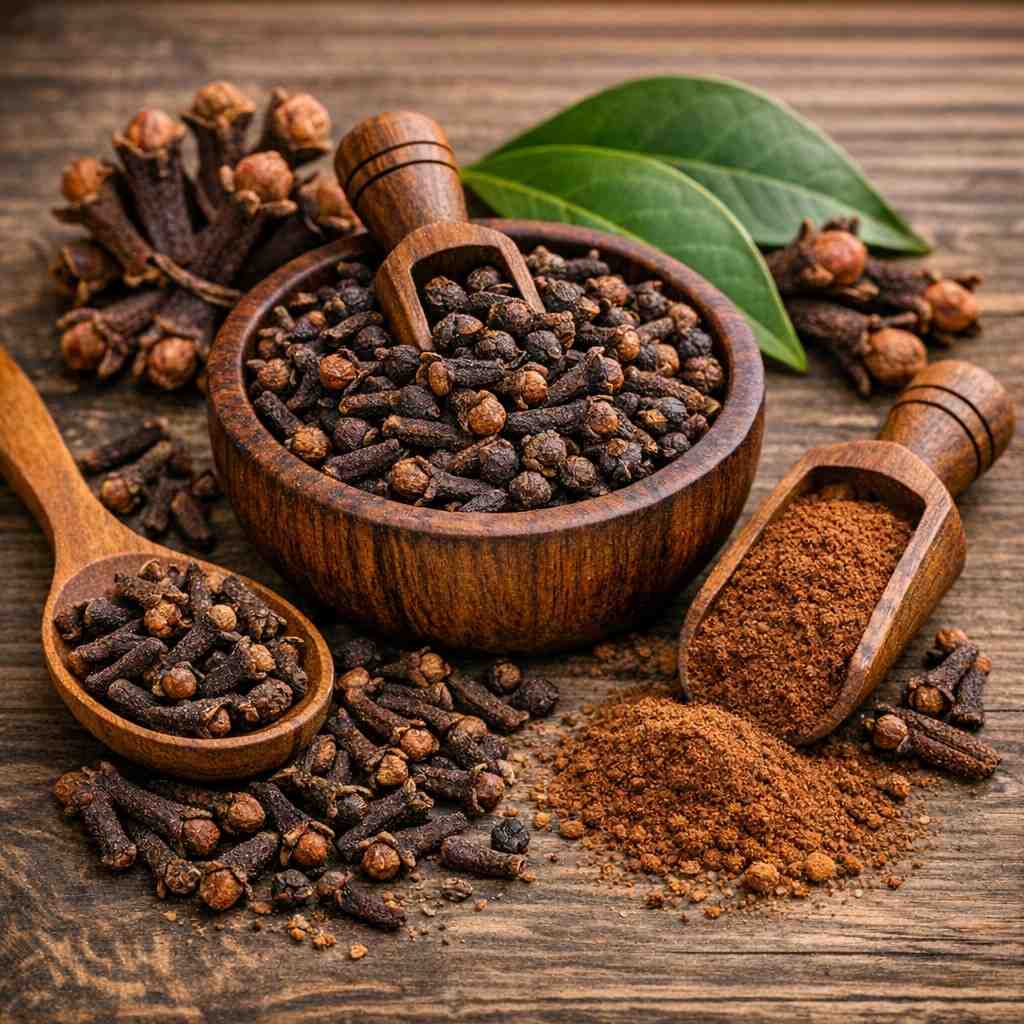
Cloves are dried flower buds with a strong, warm, slightly sweet flavour.
Common uses:
- Rice dishes and curries
- Baking
- Herbal infusions
Cardamom
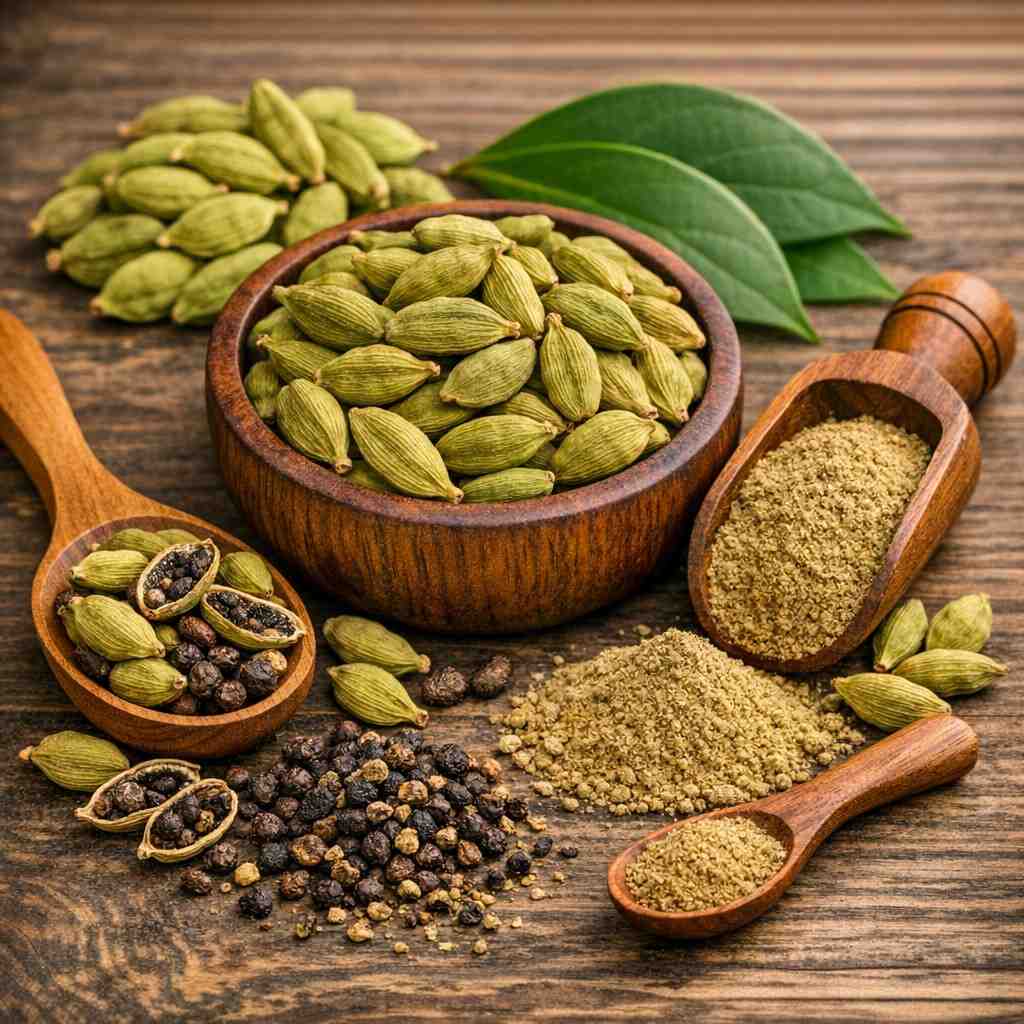
Known as the “Queen of Spices,” cardamom is grown mainly in Sri Lanka’s hill country and has a fresh, aromatic profile.
Common uses:
- Tea and coffee
- Desserts
- Rice-based dishes
Turmeric
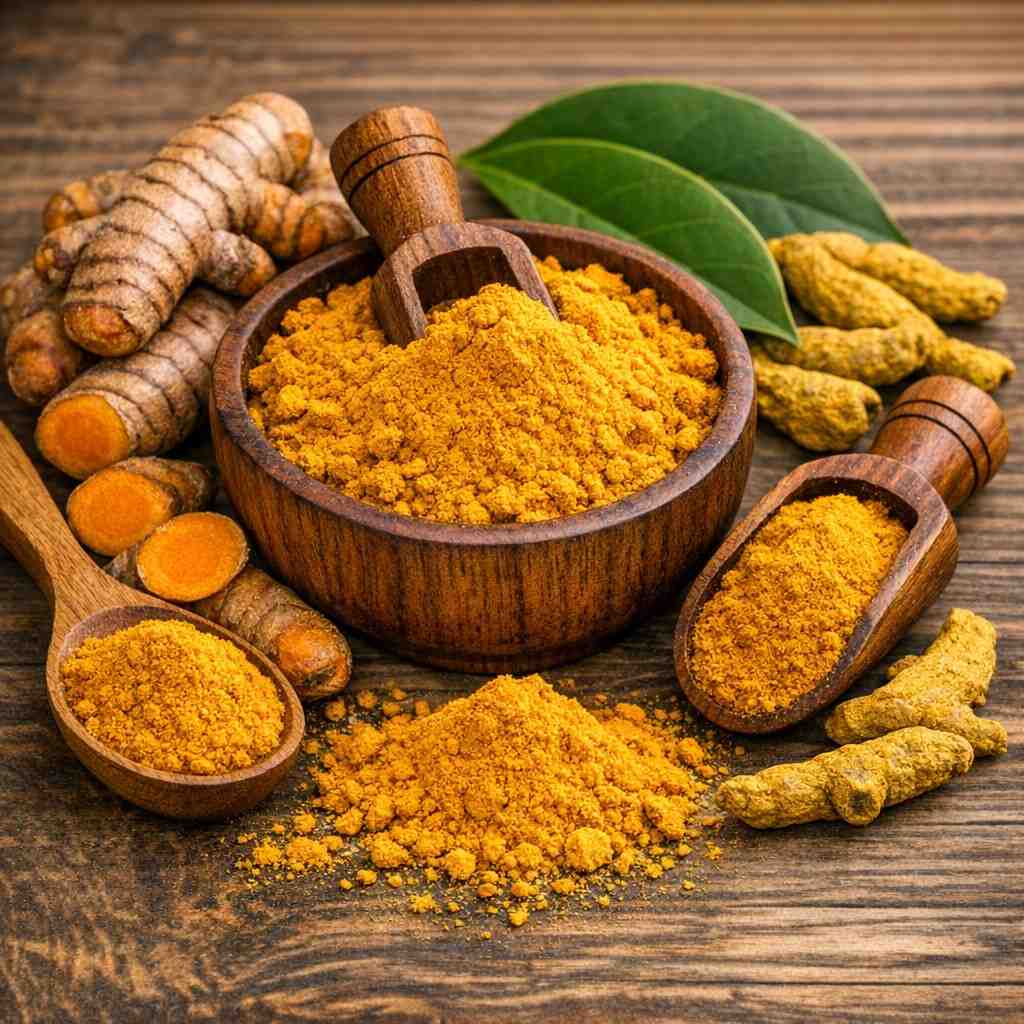
Turmeric is widely used in Sri Lankan cooking and traditional wellness practices. It has a deep golden colour and earthy flavour.
Common uses:
- Curries
- Golden milk and drinks
- Home remedies
Ginger
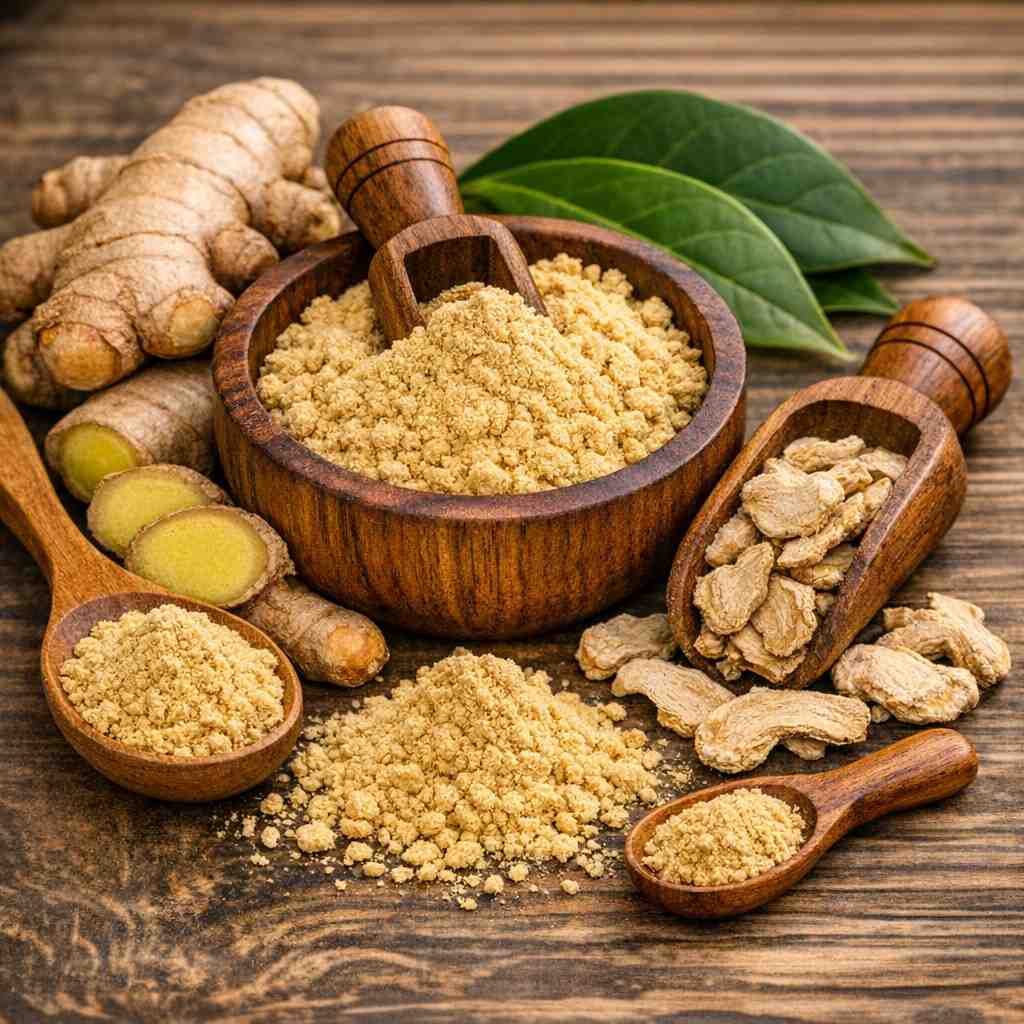
Ginger is used in both fresh and dried forms and plays an important role in daily cooking.
Common uses:
- Tea
- Cooking
- Digestive support
Curry Leaves
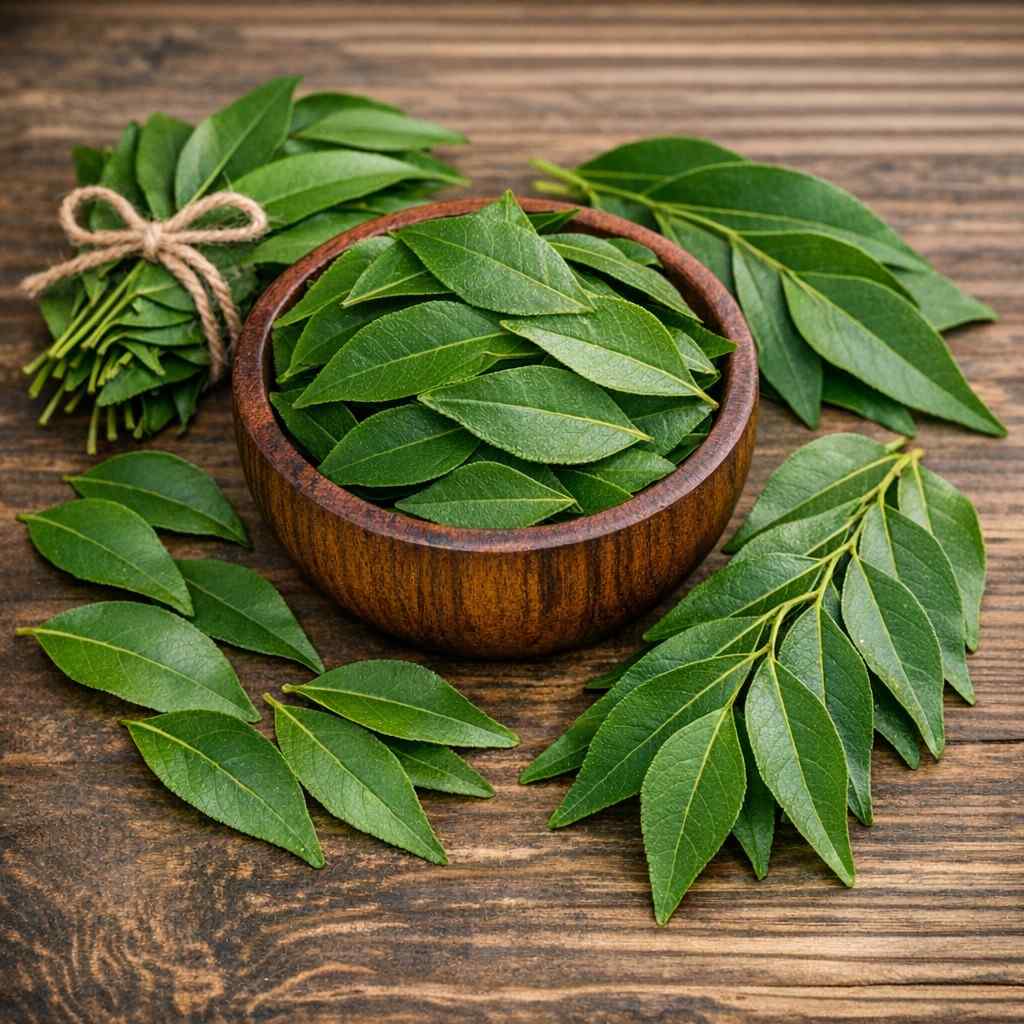
Curry leaves are essential in Sri Lankan cooking and provide a distinct aroma that cannot be replaced.
Common uses:
- Tempering curries
- Herbal preparations
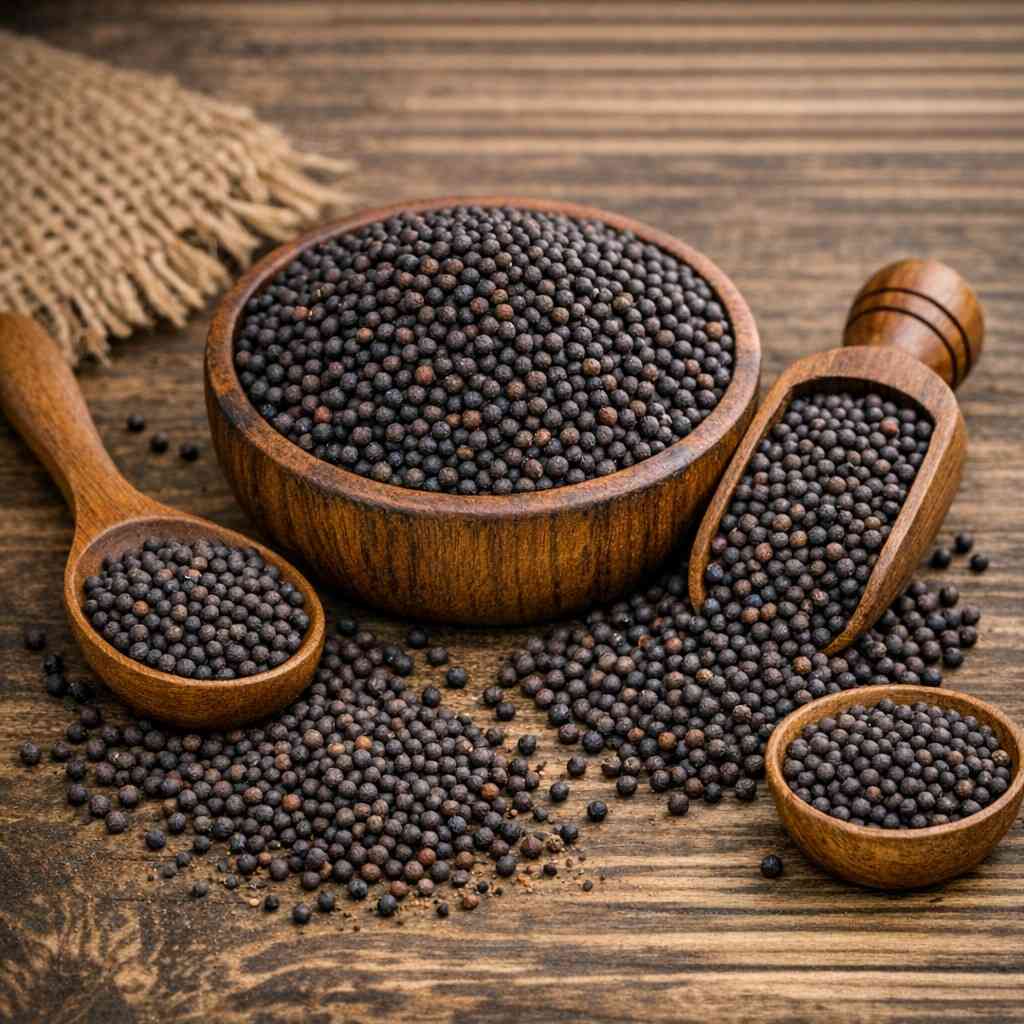
Mustard Seeds
Small but strong, mustard seeds are widely used for flavouring.
Common uses:
- Tempering dishes
- Pickles
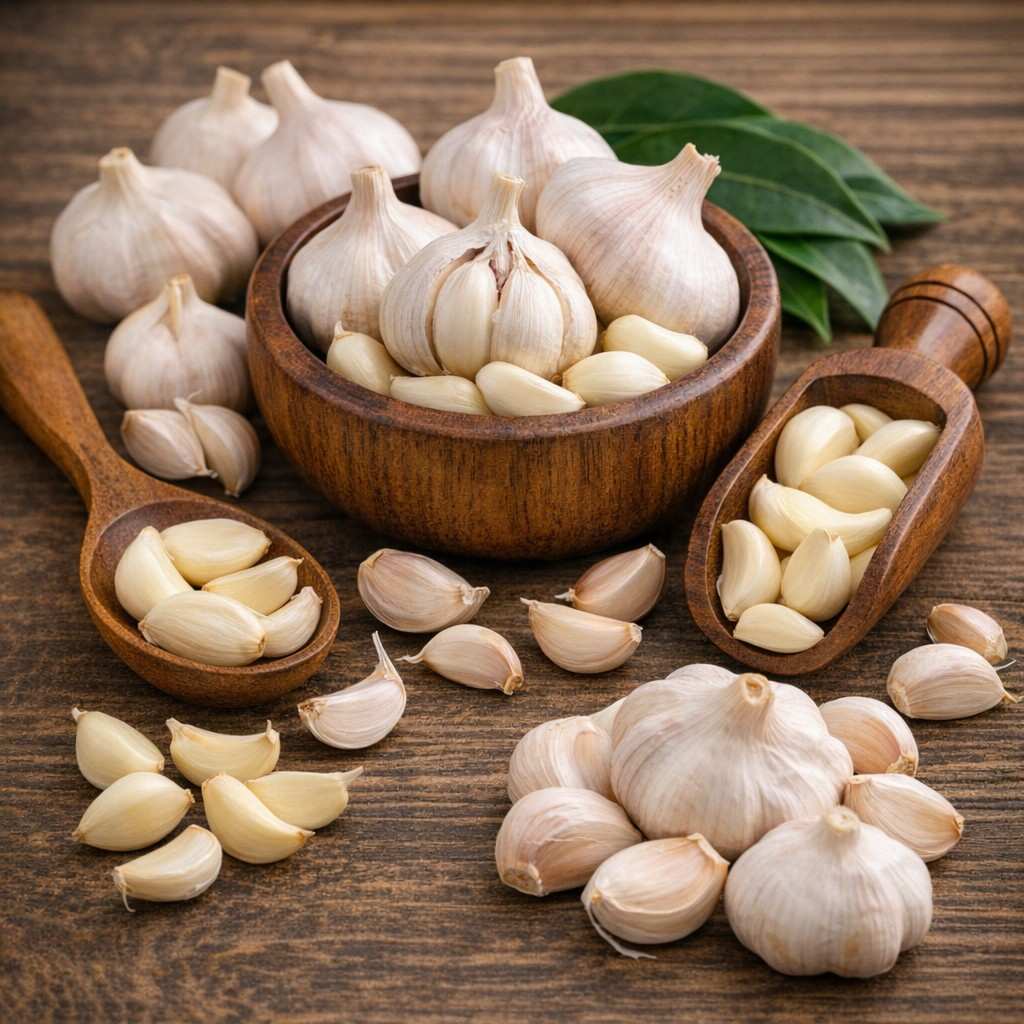
Garlic
Garlic is used both as a spice and a natural health ingredient.
Common uses:
- Cooking
- Traditional remedies
How Sri Lankan Spices Are Processed
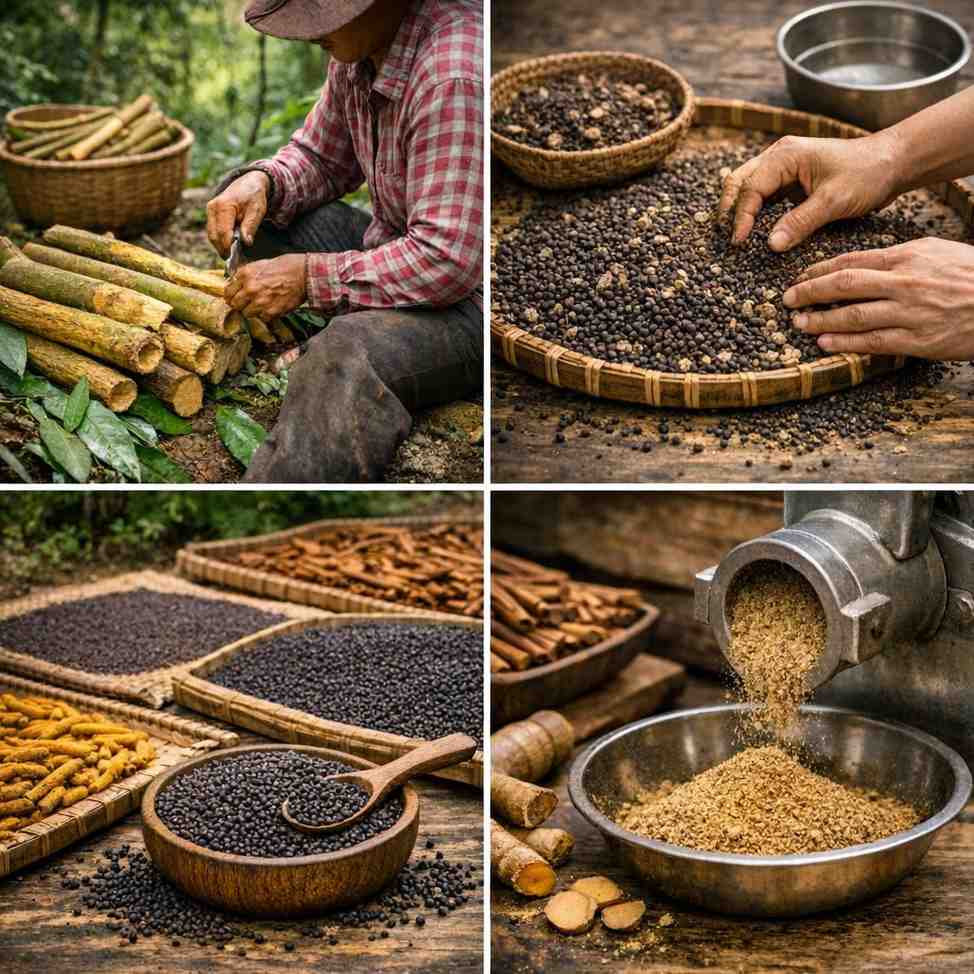
One of the key reasons for the global demand for Sri Lankan spices is the care taken during processing. The focus is always on preserving natural qualities.
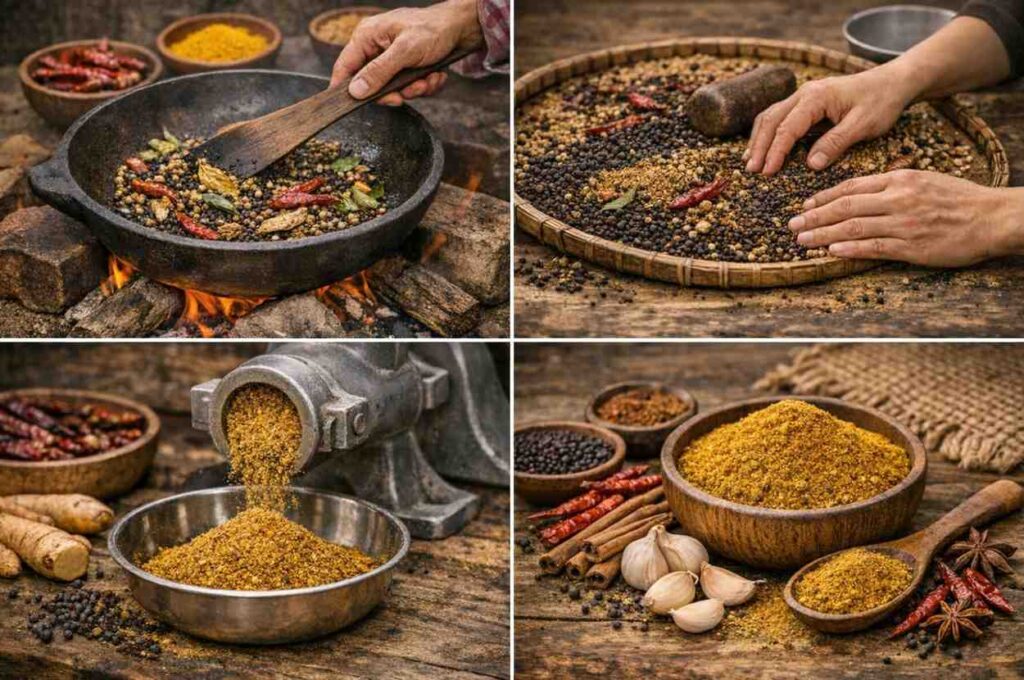
Main stages of processing:
Harvesting
Spices are usually hand-picked at the correct stage of maturity.
Cleaning
Impurities such as dirt and stones are removed carefully.
Drying
Most spices are sun-dried or gently dehydrated to reduce moisture while protecting flavour and essential oils.
Grinding (if required)
Spices are ground at controlled temperatures to avoid loss of aroma.
Quality checking
Each batch is checked for purity, colour, aroma, and moisture levels.
Packaging and storage
Spices are packed in airtight conditions and stored in dry environments to maintain freshness.
Why Ceylon Spices Matter Today
In a global market where many spices are heavily processed or mixed, Sri Lankan spices remain valued for their:
- Authentic flavour
- Natural cultivation
- Strong aroma
- Clean sourcing practices
They are widely used by home cooks, chefs, food brands, and health-conscious consumers who prefer natural ingredients.
FAQ
What are the main spices grown in Sri Lanka?
Ceylon cinnamon, black pepper, cloves, cardamom, nutmeg, mace, turmeric, ginger, coriander seeds, cumin, fennel, curry leaves, mustard seeds, and garlic are among the most common.
Why is Ceylon cinnamon different?
It has a softer texture, lighter colour, and milder taste compared to cassia, along with lower coumarin content.
How many spices are produced in Sri Lanka?
Sri Lanka grows over 30 types of spices and herbs, with around 10 – 12 widely cultivated for export.
Is Sri Lanka the main exporter of cinnamon?
Yes, Sri Lanka is the world’s leading source of true cinnamon (Ceylon cinnamon).
Closing line
Sri Lankan spices are more than just ingredients they carry a long history of trade, tradition, and careful cultivation. Whether used in everyday cooking or modern wellness, their character comes from the land they grow in and the way they are handled.