
Blog
Best Sri Lankan Masala for Chicken Fish and Vegetables

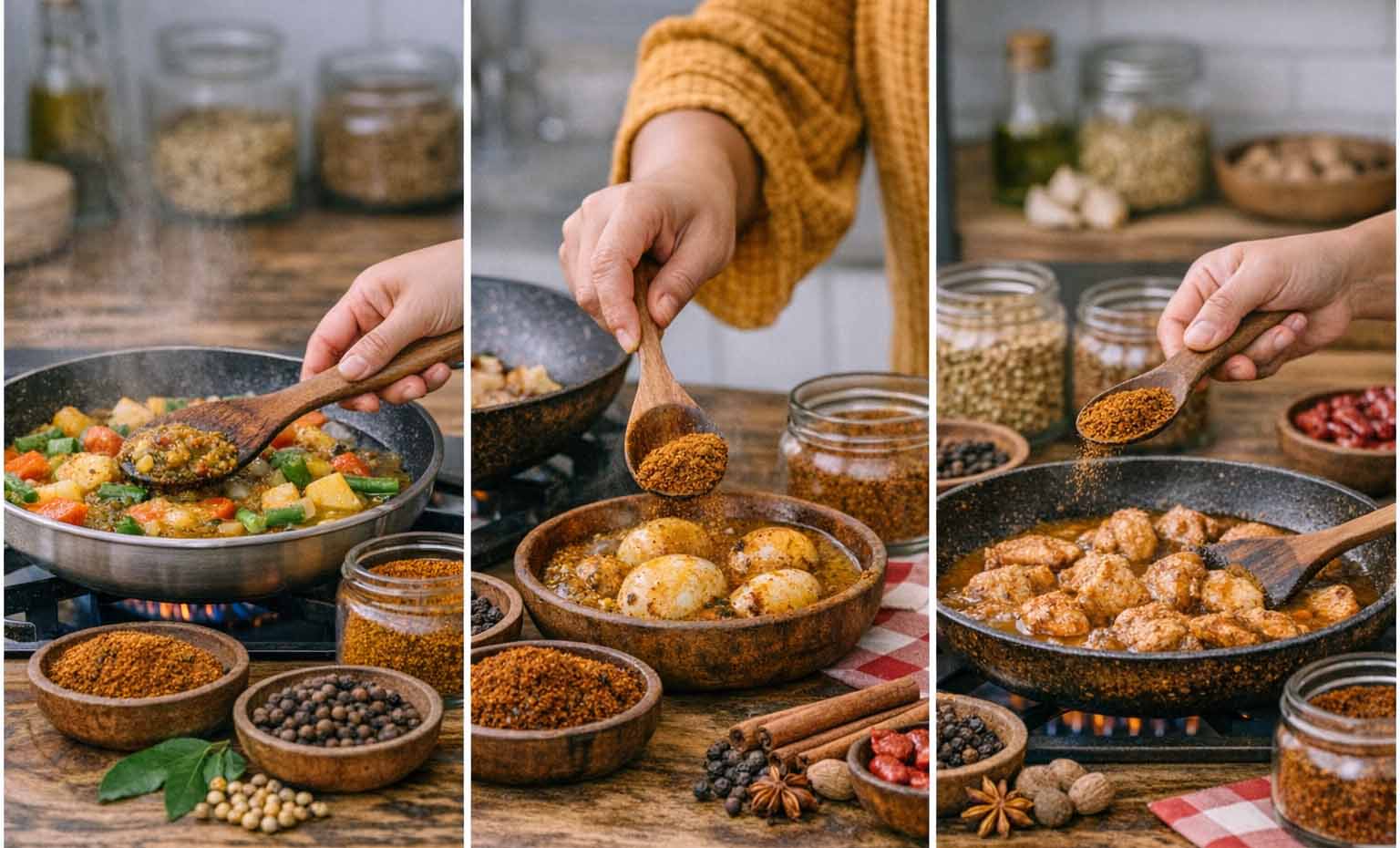
In Sri Lanka, there is no such thing as one masala for everything.
A curry made for chicken is seasoned differently from one made for fish. Vegetable curries follow their own quiet rules. And every Sri Lankan cook without needing a name for it understands this instinctively.
At Rasa Padhama, we honour this wisdom.
This guide explains the best Sri Lankan masala for chicken, fish, and vegetables, why they differ, and how each blend works naturally with its ingredients rather than overpowering them.
Why Sri Lankan Masala Changes With the Dish.
Sri Lankan cuisine is built on balance, not brute force.
The same spice intensity that brings chicken to life can drown delicate fish. A masala that suits meat may overwhelm vegetables. That’s why Sri Lankan kitchens traditionally keep different masala blends, adjusted through roasting levels and spice ratios.
The goal is always the same:
- Enhance the main ingredient.
- Support, not dominate.
- Let coconut, acidity, and texture shine.
Best Sri Lankan Masala for Chicken.
What Chicken Needs.
Chicken is forgiving. It absorbs spice well, especially during slow cooking. That makes it ideal for deeper, roasted masala blends.
Typical Masala Profile for Chicken.
- Roasted coriander (foundation)
- Cumin and fennel (warmth + balance)
- Black pepper (body, not heat)
- Cloves & cardamom (depth)
- Ceylon cinnamon (round aroma)
- Curry leaves & fenugreek (authentic ground note)
This results in a medium to dark roasted masala, often used in classic Chiken curry and cashew chicken curries.
Why It Works.
Roasted spices bind well with onion bases and coconut milk, creating curries that are:
- Rich but not heavy.
- Aromatic without harshness.
- Deep, comforting, and filling.
At Rasa Padhama, Chicken Masala Add To Cart is confident, warm, and slow blooming.
Best Sri Lankan Masala for Fish.
What Fish Needs.
Fish is delicate even when the gravy is bold. Sri Lankan fish curries rely on clean spice support with controlled roasting.
Typical Masala Profile for Fish.
- Lightly roasted coriander. (or unroasted)
- Minimal cumin.
- Gentle fennel sweetness.
- Black pepper. (preferred over chilli heat)
- Curry leaves.
- Optional mustard seed.
- Tamarind or goraka does the heavy work.
Fish masala is lighter in colour and aroma than chicken masala.
Why It Works.
Fish curries depend on acidity and freshness. A heavy roasted spice blend can make fish taste muddy.
Sri Lankan fish masala:
- Lifts rather than coats.
- Stays bright during simmering.
- Lets sourness and seafood shine.
Rasa Padhama Fish masala respects clarity over complexity.
Best Sri Lankan Masala for Vegetables.
What Vegetables Need.
Vegetables don’t hide behind fat or protein. Their natural sweetness and texture must remain present.
That’s why Sri Lankan vegetable curries traditionally use unroasted or very lightly roasted masala.
Typical Masala Profile for Vegetables.
- Unroasted coriander.
- Mild cumin.
- Sweet fennel.
- A touch of turmeric.
- Curry leaves.
- Minimal black pepper.
- Very low roasted elements. (or none)
This is often known as Curry PowderAdd To Cart (raw curry powder)
Why It Works.
Vegetable curries are about:
- Clean aroma.
- Gentle warmth.
- Coconut milk harmony.
Heavy spices flatten vegetables. Light masala lets them speak.
At Rasa Padhama, vegetable masala is quiet, humble, and deeply satisfying.
One Base Philosophy, Three Expressions.
Sri Lankan masala does not change its soul it changes its expression.
| Dish Type | Roast Level | Aroma Style | Result |
|---|---|---|---|
| Chicken | Medium dark | Deep & warming | Rich, comforting |
| Fish | Light | Clean & bright | Fresh, balanced |
| Vegetables | Raw / minimal | Soft & gentle | Natural, creamy |
This is why Sri Lankan food tastes layered, not loud.
Why Rasa Padhama Masalas Work Across Kitchens.
Rasa Padhama doesn’t standardise taste.
We guide it.
Our blends are created using:
- Traditional Sri Lankan ratios.
- Whole spices.
- Controlled roasting.
- Small‑batch grinding.
Each masala is meant to partner the dish not dominate it.
That’s what makes them work just as beautifully in:
- Home cooking.
- Professional kitchens.
- Global cuisines exploring Sri Lankan flavour.
The Best Masala Listens Before It Leads
The best Sri Lankan masala is not the strongest.
It is the one that understands what it is cooking with.
Chicken needs warmth.
Fish needs clarity.
Vegetables need gentleness.
At Rasa Padhama, we blend with that understanding because real flavour begins with respect.