
Blog
What Too Much Spice Actually Means in Cooking

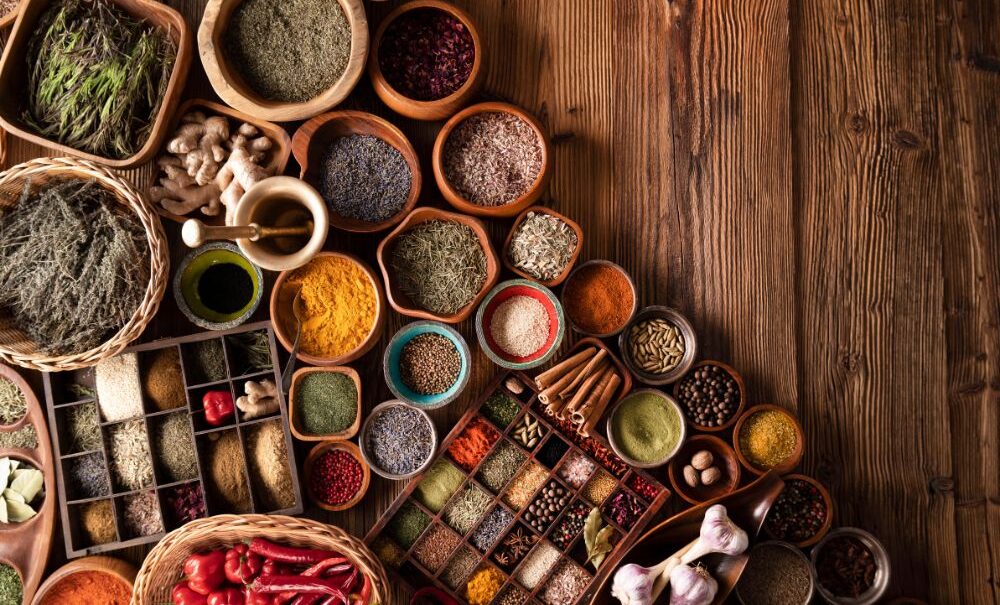
Separating heat, bitterness, sharpness, and raw spice taste
People often say a dish has “too much spice”, but that phrase is rarely clear. It is usually not about one single problem. Instead, it is a mix of different flavour sensations being confused with each other.
Understanding what “too much spice” really means requires separating heat from bitterness, sharpness from rawness, and intensity from imbalance. This guide explains these ideas in simple terms, helping readers describe flavour more accurately and appreciate spices more confidently.
Heat Is Only One Part of the Story
Heat refers to the burning or warming sensation felt in the mouth and throat, most commonly associated with chilli.
When people complain about too much spice, heat is often the first thing blamed. However, heat alone is not always the issue. Many people enjoy heat when it feels clean and balanced.
Problems arise when heat:
- Arrives too suddenly
- Lingers uncomfortably
- Overpowers other flavours
In these cases, the issue is not spice quantity, but how heat dominates the overall flavour experience.
Bitterness Is Often Misunderstood
Bitterness is a dry, lingering taste felt at the back of the tongue. In spices, it can come from certain seeds, bark, or over‑processed ingredients.
A small amount of bitterness can add depth, but when it becomes noticeable, people often label the entire dish as over‑spiced.
Unlike heat, bitterness does not fade quickly. It stays on the palate and creates fatigue. When bitterness appears, people may say a dish tastes heavy, harsh, or unpleasant, even if the heat level is moderate.
Sharpness Affects the Nose More Than the Tongue
Sharpness is an aroma sensation rather than a taste. It feels bright, piercing, or almost nose‑tingling.
Freshly ground spices often release sharp top notes. When these dominate, the dish can feel aggressive, even without much heat.
Sharpness becomes a problem when:
- Aroma overwhelms taste
- The smell feels stronger than the flavour
- The first impression feels uncomfortable
This is why some people describe certain foods as “too strong” rather than “too hot”.
Raw Spice Taste Creates Discomfort
Raw spice taste is different from heat, bitterness, or sharpness. It feels unfinished and rough, often described as dusty, chalky, or harsh.
This sensation usually comes from spices that have not settled or blended properly in flavour. It creates irritation rather than warmth or aroma.
When raw spice taste is present, people often struggle to explain what feels wrong. The default explanation becomes “too much spice”, even though the problem is texture and integration rather than quantity.
Intensity Is Not the Same as Imbalance
A dish can be intense and still enjoyable. Intensity refers to how present flavours are.
Imbalance is what causes discomfort.
“Too much spice” usually means:
- One flavour sensation is overpowering others
- Heat masks aroma
- Bitterness outlasts everything else
- Sharpness arrives without softness
When flavours move together, strong does not feel excessive. When they clash, even mild levels feel overwhelming.
Cultural Expectation Shapes Perception
What feels like too much spice depends heavily on personal and cultural experience.
People accustomed to layered flavours often differentiate heat, bitterness, and aroma easily. Those less familiar may experience all intensity as one sensation.
This does not mean either perception is right or wrong. It simply shows why education around flavour matters more than judgement.
Learning to Describe Spice More Accurately
When people move beyond the phrase “too much spice”, they gain better control over flavour preferences.
Asking simple questions helps:
- Is it burning or lingering
- Is the smell sharper than expected
- Does the taste feel dry or rough
- Does one sensation drown out the rest
These observations lead to understanding rather than rejection.
Final Thought
“Too much spice” is rarely about excess. It is almost always about imbalance.
Heat, bitterness, sharpness, and raw spice taste are different experiences, even though they often appear together. Separating them allows people to speak about food with clarity, choose spices with confidence, and appreciate complexity rather than fear it.
When spice is understood properly, it stops being something to avoid and becomes something to enjoy thoughtfully.